

Posted: May 2025
At North American Press, sustainability isn’t just a marketing buzzword—it’s the foundation of everything we do. As climate change intensifies and environmental concerns mount, I’m often asked why I’ve devoted my winemaking career to hybrid grapes. The answer lies in understanding what true sustainability means in the context of viticulture.


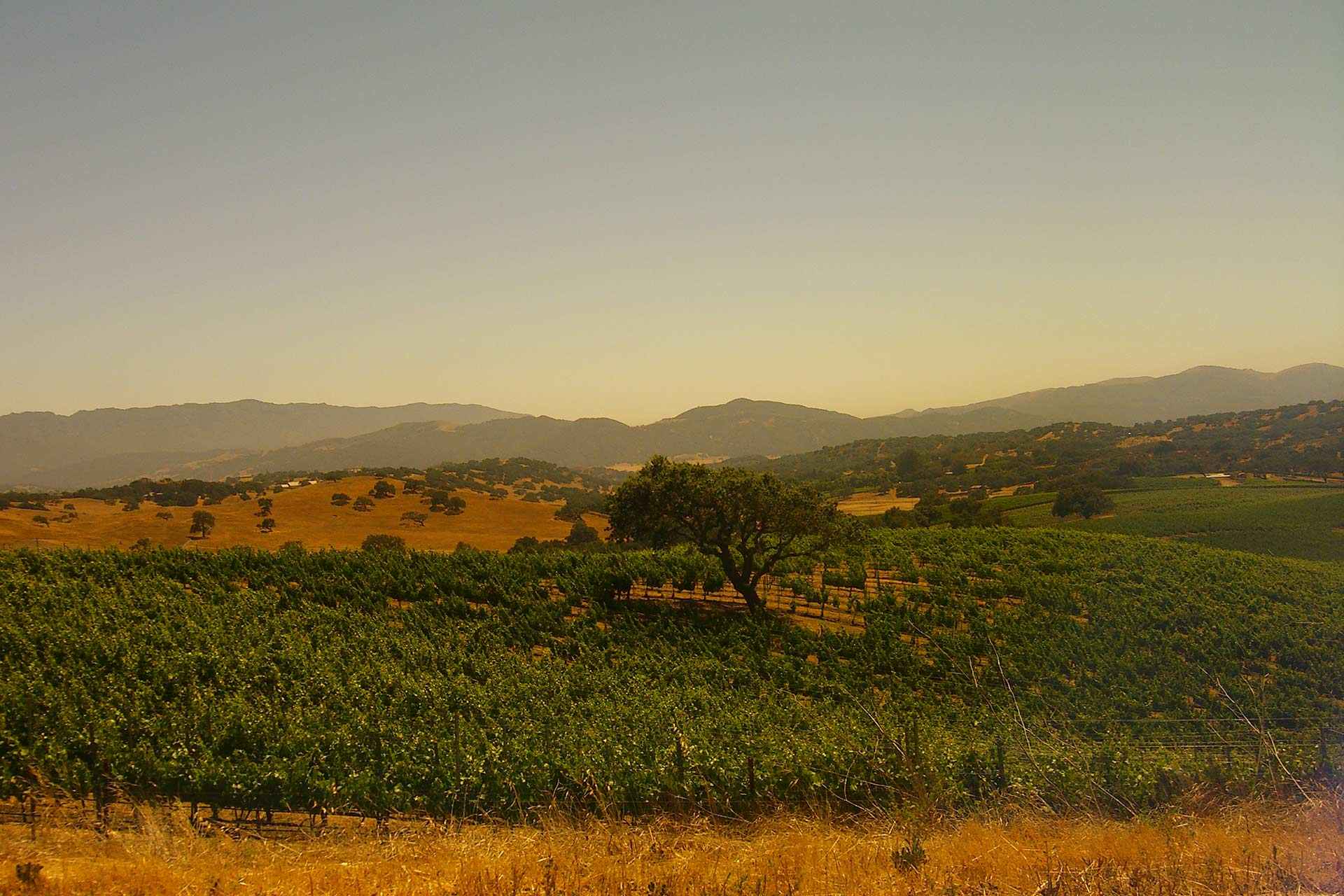
Beyond Organic: A Holistic Approach
In the wine industry, we often hear about sustainable practices focused on reducing chemical inputs or conserving water. While these are important, true sustainability encompasses three interconnected pillars: environmental, social, and economic. Hybrid grapes uniquely address all three in ways that traditional European varieties cannot.
Environmental Sustainability: Working With Nature, Not Against It
When I began farming the Baco Noir vineyard on the Sonoma Coast, I was struck by how these vines thrived without any chemical intervention. Most vineyards in this fog-prone region require multiple fungicide applications to combat powdery mildew—but not these hybrid vines.
Hybrids like Baco Noir, possess natural resistance to diseases because they’ve evolved with these pathogens. Unlike European Vitis vinifera varieties, which evolved in isolation from many North American pests and diseases, hybrid grapes contain genetic material from native American species that developed natural defenses over millennia.
This translates to tangible environmental benefits:
- Elimination of fungicide sprays
- Reduced tractor passes (lowering carbon emissions and less soil compaction)
- Decreased water usage (some hybrids can still be productive with less water)
- Enhanced biodiversity (fewer chemicals means healthier soil and more beneficial insects)
- Adaptation to climate extremes (better resilience to weather variability)
At our experimental vineyard in Dry Creek Valley, we’re testing over 40 different hybrid varieties to identify which ones thrive in California with minimal intervention. The environmental differences between these plots and neighboring conventional vineyards are striking—from the diversity of cover crops to the abundance of beneficial insects.
Social Sustainability: Protecting People
The human element of sustainability is often overlooked, but it’s crucial to creating a truly ethical wine industry. In California, vineyard workers—predominantly from Latinx communities—bear the brunt of conventional viticulture’s harmful practices.
By farming hybrid grapes that require few or no chemical sprays, we create safer working conditions. No longer do workers need to wear protective gear while applying potentially harmful substances or return to recently sprayed vineyards for other tasks.
This approach also benefits surrounding communities by reducing chemical drift and watershed contamination—protecting the health of everyone living near vineyards, not just those working in them.
Economic Sustainability: Making Sense for the Bottom Line
Perhaps surprisingly, hybrid grapes can also improve economic sustainability for small producers. While the initial learning curve requires investment, the long-term financial benefits are compelling:
- Lower operating costs (fewer sprays, less water, reduced labor for chemical applications)
- Increased resilience to climate extremes (more consistent yields despite weather variability)
- Differentiation in a crowded market (unique offerings in a sea of the same European varieties)
- Direct-to-consumer appeal (growing interest from environmentally conscious wine drinkers)
For small wineries struggling with the rising costs of farming European varieties in challenging conditions, hybrids offer a path to financial stability while aligning with their environmental values.
The Road Ahead
The wine industry faces unprecedented challenges—from climate change to economic pressures—that demand innovative solutions. I believe hybrid grapes represent one of our most promising paths forward.
This isn’t about replacing beloved European varieties but expanding our definition of fine wine to include grapes that are better adapted to our continent and current challenges. By doing so, we can create a wine industry that truly embodies all three pillars of sustainability.
At North American Press, we’re committed to demonstrating that these “outsider” grapes can produce world-class wines while helping build a more sustainable future for California viticulture. Each bottle represents not just a different flavor profile but a different vision for what wine can be—one that works in harmony with nature rather than against it.
The next time you reach for a bottle, consider choosing one that supports not just environmental sustainability, but social and economic sustainability as well. The future of California wine might just depend on it.
Until next time,
Matt Niess